AI Governance Checklist for Automation Projects in Regulated Industries
October 12, 2026 - AI


October 09, 2026 - AI
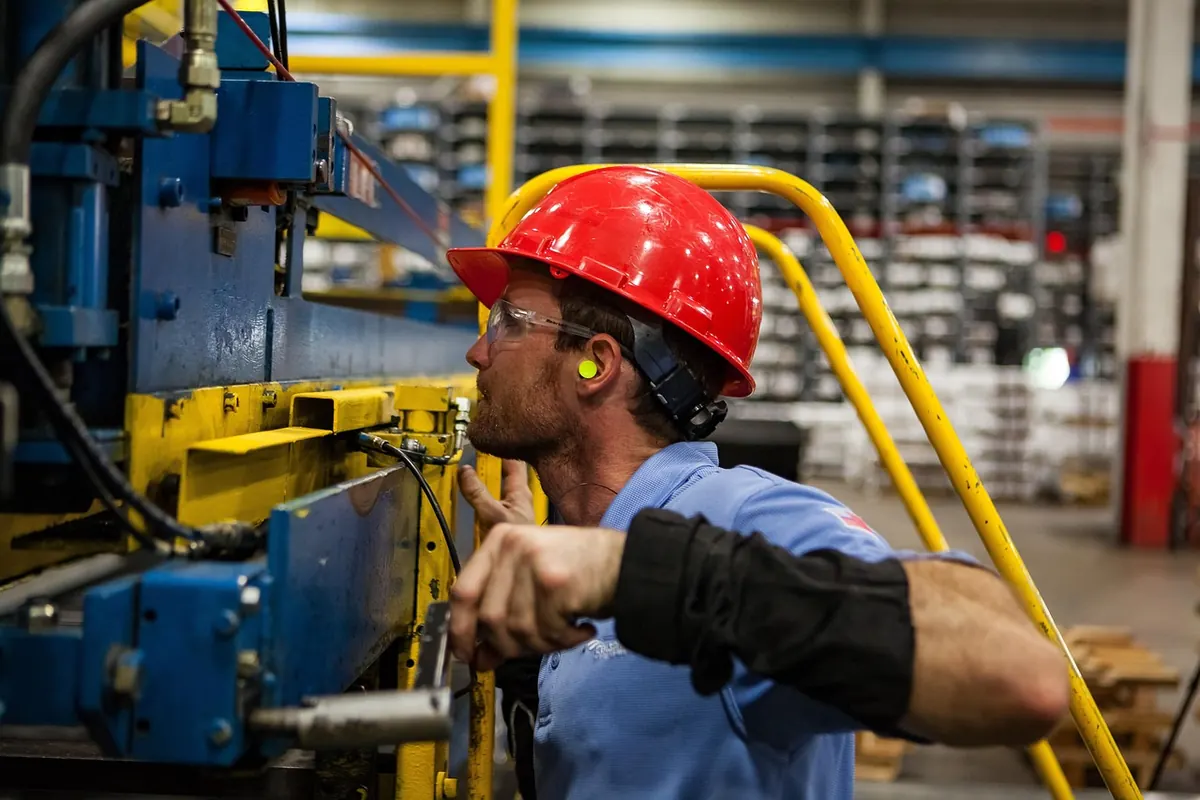
The plant goes quiet, but the pressure goes up. A summer shutdown squeezes months of deferred work into two or three weeks, and the crews that finish on schedule are rarely the ones with the most wrenches. They are the ones who walked in with clean data, staged parts, and work orders that sequenced themselves.
Automation does not replace the millwright or the electrician. It removes the daily tax of chasing paperwork, hunting a bearing in the wrong bin, and retyping inspection notes into a spreadsheet at 9 p.m. What follows is a checklist for getting that housekeeping done before the first unit comes back online.
Two weeks before the shutdown, export your asset list and ask one question of every line: does this tag physically exist on one machine, and does it mean exactly one thing? Duplicate tags are the quiet killer. If P-101 and PUMP-101A are the same pump, its maintenance history is split across two records and every interval you calculate from that history is wrong.
While you are in there, set criticality ratings. They drive everything downstream: which inspections get done during the shutdown window, which spares you keep on the shelf, and which alarm is allowed to wake somebody at 2 a.m. Then check the hierarchy — plant, area, system, equipment, component — so bills of materials and spare parts hang from the same branches as your work orders.
A calendar-only PM program piles work into July and starves in December. Where you already have run-hour meters, cycle counters, or condition sensors, let the trigger raise the work order instead of a human deciding it is time.
Isolation requirements, permits, scaffolding, and insulation removal are the real reason shutdown schedules slip. Build them into the system as predecessors so an electrical task cannot be released before the vessel is de-energized and proven dead. The scheduling software will then tell you what is actually ready to start each morning, rather than what someone hoped would be ready.
The shutdown board should show open work, blocked work, parts pending, and overdue items sorted by craft. If a supervisor has to ask three people for status, the automation is not finished. Fifteen minutes standing in front of one screen beats an hour of phone calls.
Paper rounds survive because they are fast to start and terrible to analyse. Moving them to a mobile form usually pays for itself within one shutdown, provided the setup is disciplined:
Build the templates around what you actually check: vibration readings, thermographic scans, oil samples, coupling alignment, belt tension, lubrication points, guard condition, torque checks on electrical connections, filter differential pressure, corrosion and coating damage, drain and vent function, and functional tests of safety devices.
Parts shortages are the most common reason a shutdown overruns, and most of them are knowable in advance. Cycle count your critical items first, then correct the bin locations that have drifted over the year.
Next, kit by work order. Pull the seals, bearings, gaskets, and fasteners for each job into a labelled cart or bag and stage it near the work area. A technician who starts the day with the right parts in hand does not lose two hours walking to a storeroom that is closed for the holiday.
Finally, review minimum and maximum levels against real consumption rather than the numbers somebody set years ago. Flag long-lead items, merge duplicate part numbers that describe the same component, and mark dead stock for disposal. Suppliers get busy during shutdown season, so confirm delivery dates rather than assuming them — and if a purchase decision carries real budget weight, run it past whoever owns procurement before committing.
An idle plant is not a safe plant. Condensation collects in switchgear, roof leaks find new paths, seals weep, and slow leaks go unnoticed for three weeks. Sensors on monitored circuits earn their keep here: motor space heaters, sump heaters, and dehumidifiers that report whether they are actually drawing current.
Temperature and humidity sensors in electrical rooms and spare-parts stores catch problems while they are still cheap. On critical rotating equipment, a few vibration and temperature sensors can confirm that nothing shifted during a foundation repair.
The detail people miss is retuning alarm thresholds. A pump that is not running produces a different vibration signature than one under load. Leave the running baseline in place and you will generate nuisance alarms until the operators start ignoring them — which is worse than having no alarms at all.
The value of a shutdown is not the work completed; it is the information it produces. Record as-found and as-left condition on every work order before the line is handed back. Adjust PM intervals based on what you actually found, not what you assumed. Update bills of materials and the asset hierarchy with anything discovered in the field.
Return unused parts to stock and immediately reorder whatever the shutdown consumed, especially critical spares. Capture actual labour hours per job so next year's plan is built on evidence rather than optimism. Then take thirty minutes with the crew to write down what went wrong and log it where the next planner can find it, not in someone's notebook.
If you only do part of this, do it in this order:
None of this requires a large project or a new platform. It requires a planner who treats data the way the crew treats torque specs — as something that matters. Do that consistently, and next summer's shutdown starts with a plan instead of a scramble.
Photo: jotoler / Pixabay

A practical governance checklist for automation projects in regulated industries: bias audits, replayable audit...

Cobots and caged industrial robots solve different problems. Here is how they compare on installed cost, safety,...
Copyright © 2026 Automation Alley. All Right Reserved.